
Description
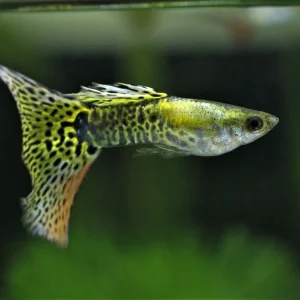
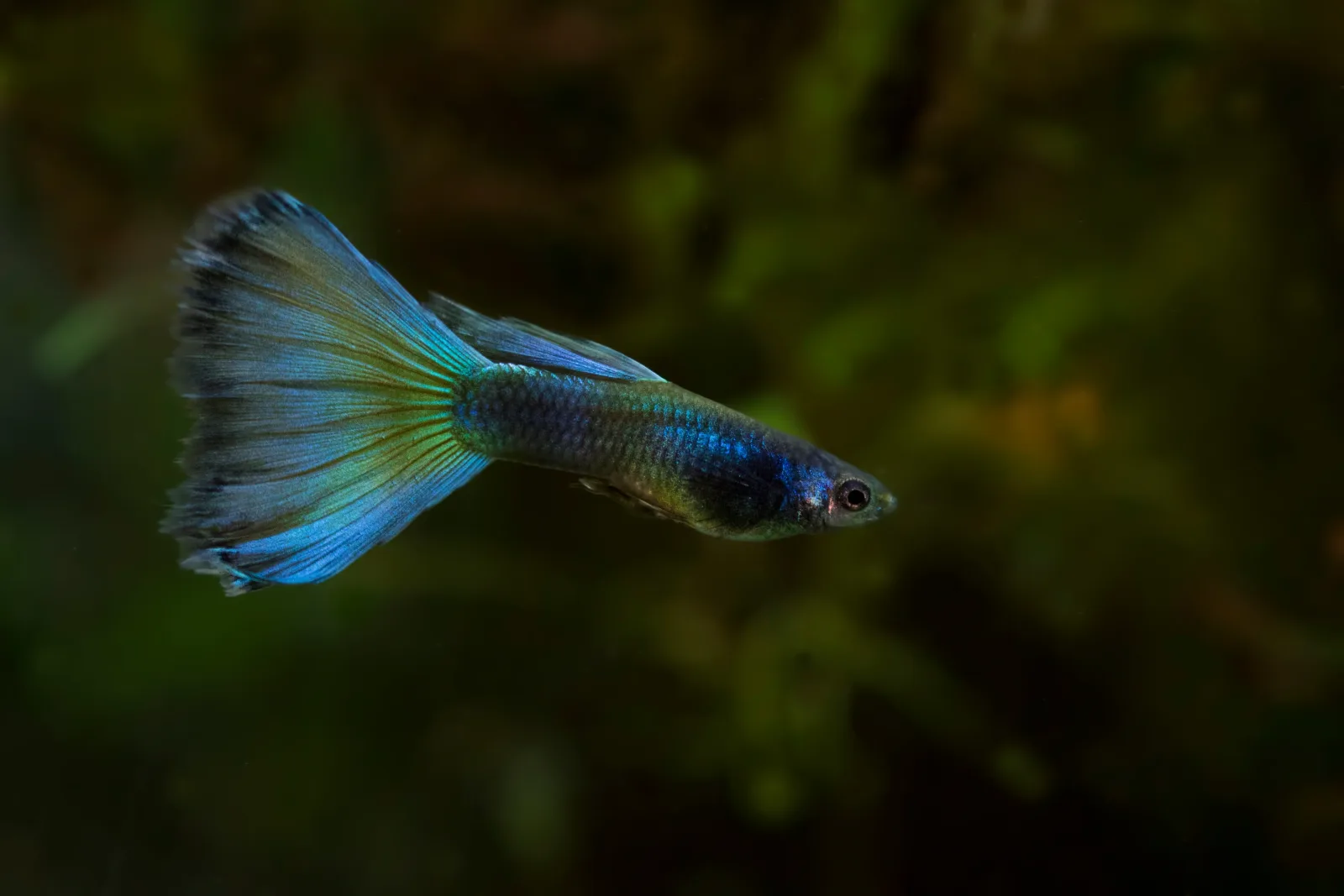
The Green Moscow Guppy Fish (Poecilia reticulata) is a captivating freshwater fish species prized for its deep, shimmering emerald-green coloration that flows seamlessly from head to tail. Its full-body metallic sheen gives off a luxurious glow under aquarium lighting, creating a striking and elegant centerpiece in any tank. Known for their peaceful temperament, adaptability, and hardiness, these Guppies are a favorite among both beginner and experienced aquarists seeking a truly unique and vibrant addition to their aquatic collection.
When you choose Green Moscow Guppy Fish for sale at Splashy Fish store, you’re investing in top-quality, healthy fish sourced from trusted breeders who prioritize excellent care and vibrant genetics. Our Guppies fish for sale are carefully hand-selected to ensure stunning colors, strong health, and lively behavior, making them the perfect addition to any aquarium. Our dedicated team is here to provide expert advice and ongoing support to ensure your fancy guppy thrives.
Key Features of Green Moscow Guppy Fish
Full-Body Green Coloration: A deep, rich emerald-green hue that covers the entire body and fins, creating a luxurious, uniform appearance.
Metallic Iridescence: Shimmering, reflective scales that glow beautifully under aquarium lighting, adding elegance to any setup.
Hardy & Beginner-Friendly: Adapts well to a variety of freshwater conditions, making it suitable for both new and experienced aquarists.
Peaceful & Social: Perfect for community aquariums with other non-aggressive fish and invertebrates.
Compact & Active: Adults grow to about 1.5-2 inches, making them ideal for nano tanks and planted aquariums while adding constant movement and life.
Green Moscow Guppy Fish Types
This guppy type originated from selective breeding within the Moscow line, which is known for producing fish with rich, solid colors and larger finnage. Under aquarium lighting, the Green Moscow’s scales reflect a stunning iridescence that shifts from deep forest green to bright jade, depending on the viewing angle.
Its peaceful nature, hardiness, and compatibility with a wide range of community fish make it a popular choice for both beginners and serious guppy breeders. Many aquarists prize the Green Moscow not only for its beauty but also for its breeding potential, producing high-quality fry that often carry the same vivid coloration.
What You Can Expect From This Fish:
A full-body emerald-green shine that glows beautifully under aquarium lighting
Calm and friendly, making it easy to pair with other non-aggressive fish and invertebrates.
Hardy and adaptable, thriving in a variety of freshwater setups, including planted and nano tanks.
Recommended Water Parameters:
Temperature: 72° – 82° F (22° – 28°C)
pH: 6.8 – 7.8 (optimal range 7.0 – 7.2)
GH: 8 – 12 dGH
Minimum Tank Size: 10 gallons
Green Moscow Guppy Fish Care Guidelines:
Diet: Omnivorous, thrives on a varied diet of high-quality guppy pellets, flakes, frozen or live foods like brine shrimp, daphnia, and bloodworms, along with occasional plant-based foods such as spirulina flakes or blanched vegetables.
Social Behavior: Peaceful and active, this fish gets along well with other non-aggressive species, making it ideal for community aquariums.
Origin: Line-bred variety of Poecilia reticulata, developed through selective breeding for its solid emerald-green coloration.
See more details about Guppy Care here
Green Moscow Guppy Frequently Asked Questions (FAQs)
Are Green Moscow Guppies Hardy?
Yes! Green Moscow Guppies are hardy and adaptable, making them suitable for both beginner and experienced aquarists. They thrive in stable freshwater conditions and do well in planted or community tanks.
How Big Do Green Moscow Guppies Get?
Adult males typically grow to about 1.5 inches, while females can reach around 2.5 inches.
Can Green Moscow Guppies Live With Other Fish?
Absolutely. They are peaceful and get along well with other non-aggressive fish like Tetras, Rasboras, Corydoras, and Freshwater Shrimp.
Do Green Moscow Guppies Breed Easily?
Yes, they are livebearers and will breed readily if males and females are kept together in suitable conditions.