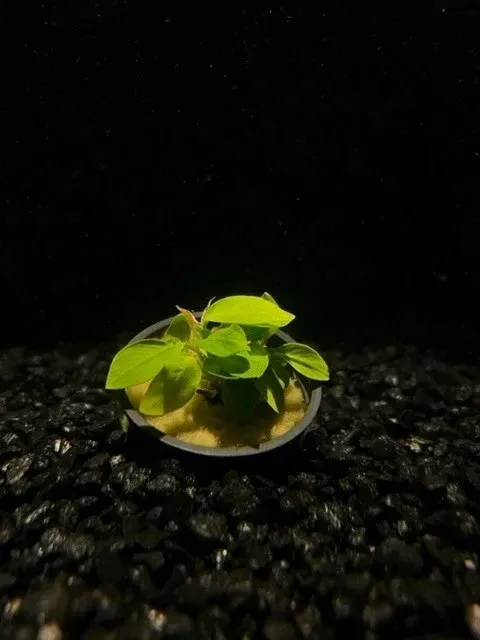

Description
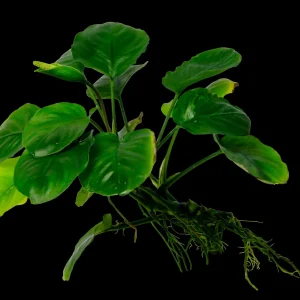
Anubias Nana (scientific name: Anubias barteri var. nana) is short, bushy and tolerant of almost any living conditions. The deep green leaves create a vivid-looking to its appearance making your aquarium become more attractive.
Like Java Fern, this species can either be buried in the ground (soft substrate would highly be preferred) or attached to hardscapes as long as you have its rhizome uncovered. Anubias Nana narrow leaf is a sturdy Anubias plant thus, it is an ideal option for those tanks having larger fish. Further, bottom-dwelling species (like loaches and catfish) will fall in love with this aquatic plant due to the covering pattern it creates with the short aquatic plants.
At Splashy Fish tropical fish store, our Anubias Nana for sale and other live aquatic plants for sale are grown and sold with love and care. Visit our fish store to buy them online or aquarium store in Virginia for more high-quality freshwater fish for sale. We have a lot more fish available for sale such as betta fish for sale, freshwater shrimp for sale, Neocaridina shrimp for sale, Mystery snails for sale, Nerite snails for sale, and other aquarium supplies.
What You Can Expect From This Plant
An ideal option for those tanks having larger fish
Sturdy species
Vivid-looking with deep green leaves
RECOMMENDED TANK PARAMETERS
Temperature: 72° – 82° F (22° – 28° C)
pH: 6-8
KH: 3-8 dKH
Minimum tank size: 10 gallons
CARE GUIDELINES
Supplements: CO2 and fertilizer are not necessary
Lighting: Low. High lighting conditions make this plant susceptible to algae growth.
Origin: Africa
Aquarium placement: Foreground to midground
Growth rate: Medium
Visit here to learn more about How to Care for Anubias Plant.
Anubias Nana Frequently Ask Questions (FAQS)
Can Anubias Nana grow in low light?
Yes, Anubias Nana thrives in low-light conditions, making it ideal for low-tech aquariums. It grows steadily with just 6-8 hours of light daily and is easy to maintain, offering vibrant greenery without the need for intense lighting setups.
How often should I fertilize Anubias Nana?
Anubias Nana requires only occasional fertilization. Use liquid fertilizers every 2-4 weeks, especially in tanks with low nutrient levels or no nutrient-rich substrate. Focus on fertilizers containing iron and potassium to keep its leaves vibrant and healthy.
Can it survive without CO2 injection?
Yes, Anubias Nana thrives in non-CO2 setups. Its slow growth rate and adaptability make it ideal for low-tech aquariums, perfect for beginners or aquarists seeking low-maintenance plants.
The Ultimate Guide to Anubias Nana: A Beginner’s Journey into the World of Aquatic Gardening
Are you ready to dive into the enchanting world of aquatic gardening? Look no further than the Ultimate Guide to Anubias Nana, designed especially for aquarium beginners like you. In this comprehensive article, we will take you on a journey to discover the captivating beauty and serenity of this popular aquatic plant. Anubias Nana is a versatile and resilient species that thrives in both aquariums and terrariums, making it perfect for beginners who are just starting to explore the wonders of aquatic gardening. Its lush green leaves and unique structure create a striking focal point in any underwater landscape. From setting up your aquarium to choosing the right lighting and nutrients, this guide covers every aspect of successfully growing Anubias Nana. We will also delve into the benefits of adding this live aquatic plant to your home or office, including improved water quality and increased oxygenation. Whether you’re an experienced gardener or a complete beginner, our Ultimate Guide to Anubias Nana will equip you with the knowledge and skills to create your own stunning aquatic garden. Get ready to transform your space into a tranquil oasis and embark on an exciting journey into aquatic gardening with Anubias Nana.
What is Anubias Nana?
Anubias Nana is a popular and slow-growing live aquarium plant that originates from the tropical regions of West Africa, particularly in countries like Cameroon and Nigeria. This versatile plant is highly valued for its hardy nature, making it an excellent choice for both beginner and experienced aquarists.
The plant is characterized by its broad, dark green leaves and thick rhizome, which gives it a sturdy structure that can withstand a variety of aquatic environments. Anubias Nana is well-suited to low-light conditions, requiring minimal effort to thrive. Its adaptability allows it to grow in a range of tank setups, including freshwater aquariums, terrariums, and even paludariums.
This species is particularly popular because it does not need to be rooted in aquarium substrate to grow. It can be attached to aquarium rocks, driftwood, or other hardscapes, making it a versatile option for creative aquascaping. Additionally, its slow growth rate minimizes the need for frequent trimming, which is ideal for those seeking a low-maintenance aquatic plant.
Anubias Nana is not only an attractive addition to an aquarium tank but also plays a functional role in maintaining water quality. It helps absorb excess nutrients, reducing the risk of algae blooms and promoting a balanced ecosystem. With its combination of beauty, resilience, and ease of care, Anubias Nana continues to be a favorite for aquarists around the world.
Benefits of Adding Anubias Nana to Your Aquarium
1. Improves Water Quality
Anubias Nana is not just a beautiful addition to your aquarium but also plays a functional role in maintaining a balanced ecosystem. It absorbs excess nutrients, such as nitrates and phosphates, which can otherwise promote unwanted algae growth. By acting as a natural filter, Anubias Nana helps to keep water conditions clean and healthy. This process supports the well-being of live freshwater fish, freshwater shrimp, and other aquatic creatures by creating a stable and less toxic environment. For aquarists looking to reduce dependency on chemical water treatments, Anubias Nana serves as a sustainable and eco-friendly solution.
2. Enhances Aesthetics
The lush, vibrant green leaves of Anubias Nana add an elegant and natural touch to any aquarium. Its compact growth pattern and sturdy structure make it an ideal plant for various aquascaping designs. Whether used as a foreground plant in nano aquarium tanks or a midground plant in larger aquariums, it effortlessly blends with other aquatic plants and hardscapes. Additionally, Anubias Nana’s ability to attach to rocks, driftwood, or natural decoration allows aquarists to create dynamic, multi-layered aquascapes that mimic natural underwater habitats. Its presence can transform an ordinary aquarium tank into a visually stunning aquatic garden.
3. Increases Oxygenation
Like all aquatic plants, Anubias Nana contributes to oxygenation through the process of photosynthesis. By releasing oxygen into the water, it enhances the overall health of the aquarium tank’s ecosystem, creating a better living environment for tropical fish and other aquatic species. Increased oxygen levels also benefit beneficial bacteria in the aquarium, which play a critical role in breaking down waste and maintaining the nitrogen cycle. This dual role of oxygenation and nutrient absorption makes Anubias Nana a valuable plant for improving the overall health and vitality of your aquarium.
4. Low Maintenance
Anubias Nana is a standout choice for aquarists seeking a low-maintenance plant. Its resilience to varying water conditions and ability to thrive in low-light environments make it perfect for beginners and those with low-tech setups. Unlike plants that require aquarium CO2 injection or regular nutrient dosing, Anubias Nana is forgiving and adapts well to less demanding care routines. Its slow growth rate further reduces the need for frequent pruning or adjustments, allowing aquarists to enjoy a lush and thriving aquarium plant without extensive upkeep. Additionally, its tolerance to a wide range of temperatures and water parameters makes it a reliable choice for diverse aquarium setups.
Aquarium Lighting and Temperature Requirements for Anubias Nana
1. Aquarium lighting
Anubias Nana thrives in low to moderate lighting conditions, making it an excellent choice for low-tech aquariums or setups without advanced lighting systems. Ideally, provide 6-8 hours of light daily to support its growth. Excessive or high-intensity lighting should be avoided, as it can encourage algae growth on the leaves, which may hinder photosynthesis and reduce the plant’s visual appeal. LED lights or fluorescent bulbs designed for aquatic plants are well-suited to maintain the appropriate light intensity without overwhelming the plant. If algae buildup occurs, reduce the lighting duration or intensity and ensure proper planted tank maintenance.
2. Temperature
The optimal water temperature for Anubias Nana ranges between 72°F and 82°F (22°C to 28°C). This range is typical of tropical aquariums and makes the plant highly adaptable to tanks housing species like tetras, guppies, angelfish, or other tropical fish. It is tolerant of minor temperature fluctuations, but sudden changes should be avoided to prevent stress to both the aquatic plant and its tankmates. Maintaining stable temperatures with the help of a reliable aquarium heater and thermometer will ensure the plant’s health and longevity.
Water Parameters and Care for Anubias Nana
1. pH Levels
To ensure optimal growth, maintain a pH range of 6.5 to 7.5, which aligns with the slightly acidic to neutral water conditions typical of tropical freshwater habitats. This range supports not only the aquarium plant but also many compatible fish species, creating a harmonious environment. Regular water testing is essential to monitor pH levels and make adjustments as needed.
2. Aquarium Substrate and Placement
Anubias Nana is versatile in its placement within the aquarium. While it can be planted in soft substrate, it is crucial to keep the rhizome exposed, as burying it may lead to rot and damage the plant. For added creativity and ease of care, Anubias Nana can be attached to hardscapes such as rocks, driftwood, or decorative ornaments using fishing line, thread, or aquarium-safe glue. This placement also makes it a popular choice for aquascaping, allowing it to thrive in various setups.
3. Nutrients and Fertilization
Although Anubias Nana is a low-maintenance plant, occasional supplementation with liquid fertilizers can promote healthy growth and vibrant green leaves. These plant fertilizers supply essential micronutrients like potassium and iron, especially in planted tanks with nutrient-poor substrates. However, the live aquatic plant is not nutrient-intensive, making it suitable for low-tech aquariums that lack CO2 injection or regular fertilization routines.
How to Propagate Anubias Nana
Propagating Anubias Nana is a straightforward and rewarding process, making it perfect for aquarists looking to expand their plant collection or enhance their aquascape. Here’s a detailed guide to successfully propagating this versatile aquatic plant:
1. Select a Healthy Plant
To ensure successful propagation, start with a mature and healthy Anubias Nana. Choose a plant with:
A well-developed rhizome (the thick, horizontal stem from which leaves and roots grow).
Vibrant green leaves free of discoloration or damage.
A rhizome that is firm and free from rot or decay.
Healthy plants are more likely to recover quickly and produce strong, new growth after propagation.
2. Prepare Tools
Using the right tools ensures clean cuts and prevents damage to the plant. You’ll need:
Sharp scissors, pruning shears, or a knife designed for aquascaping or gardening.
A sterilizing solution, such as rubbing alcohol, to clean your tools before cutting. Sterilized tools reduce the risk of infection or contamination, promoting better recovery for the plant sections.
3. Divide the Rhizome
Gently remove the plant from its current placement, whether attached to hardscape or resting on the aquarium substrate.
Inspect the rhizome for natural divisions or areas where it can be safely cut.
Using your sterilized tool, cut the rhizome into smaller sections. Each section should:
Contain 2-3 healthy leaves to support photosynthesis.
Include a portion of the rhizome long enough to support root development and new growth.
Make precise, clean cuts to minimize stress and damage to the plant.
4. Replant the Sections
Once the rhizome is divided, decide how to replant the new sections:
Attach to Hardscapes:
Secure the sections to rocks, driftwood, or other natural decorations using:
Fishing line or cotton thread: Wrap gently to hold the rhizome in place without damaging it.
Aquarium-safe glue: Apply a small amount to the underside of the rhizome and press it onto the surface.
Over time, the roots will naturally grow and anchor themselves to the hardscape.
Place on Substrate:
Position the sections directly on the aquarium substrate, ensuring the rhizome remains uncovered to prevent rot.
The roots can grow into the substrate for stability, but burying the rhizome will suffocate it and damage the aquarium plant.
5. Monitor Growth
After replanting, take care to provide optimal conditions to encourage healthy growth:
Aquarium Lighting: Ensure the plant receives low to moderate aquarium light for about 6-8 hours per day.
Water Parameters: Maintain a stable pH (6.5-7.5) and tropical water temperature (72°F-82°F or 22°C-28°C).
Nutrients: Supplement with liquid fertilizers occasionally to promote vibrant leaves and robust growth.
Algae Control: Keep an eye out for algae buildup on the leaves and adjust lighting or introduce algae eaters if needed.
Over time, the new sections will establish themselves and grow into healthy, full-sized Anubias Nana plants. With proper care, these propagated plants can be used to enhance your aquascape or shared with other aquarium enthusiasts.
Propagating Anubias Nana is not only easy but also an excellent way to multiply this versatile plant while contributing to the beauty and health of your aquarium!
Common Pests and Diseases of Anubias Nana
Although Anubias Nana is known for its hardiness, it can occasionally face challenges from pests and diseases. Here’s how to identify and address the most common issues:
1. Algae Growth
Cause: Excessive aquarium lighting or nutrient imbalances can lead to algae buildup on the leaves, which hinders photosynthesis and detracts from the plant’s appearance.
Solution: Reduce light intensity or duration to around 6-8 hours per day. Introduce algae-eating species like Amano shrimp or Otocinclus catfish to help clean the leaves. Regular water changes also help maintain balanced nutrients.
2. Yellowing Leaves
Cause: This is typically due to a nutrient deficiency, particularly a lack of iron or other essential micronutrients.
Solution: Use a balanced liquid fertilizer designed for aquatic plants. Focus on fertilizers rich in iron, potassium, and trace elements. Ensure the water parameters are within the ideal range for Anubias Nana to thrive.
3. Freshwater Snail Damage
Cause: Certain snails, such as pond snails or ramshorn snails, may nibble on the plant’s leaves, causing small holes or damage.
Solution: Introduce snail control measures, such as reducing overfeeding (which attracts snails) or manually removing excess snails. Alternatively, consider adding snail-eating species like Assassin Snails to your aquarium tank.
Tank Mates for Anubias Nana
Anubias Nana is a highly adaptable plant that pairs well with a wide variety of tank inhabitants. Its hardy nature, sturdy leaves, and ability to thrive in diverse water conditions make it suitable for many freshwater aquariums. Here are some ideal tank mates:
1. Peaceful Fish Species
Anubias Nana is compatible with peaceful fish that won’t disturb or nibble on its leaves. Ideal options include:
Tetras: Neon Tetras, Cardinal Tetras, Ember Tetras
Rasboras: Harlequin Rasboras, Lambchop Rasboras
Guppies and Mollies: Colorful and active, they coexist beautifully with Anubias Nana
Betta Fish: Betta fish appreciate the broad leaves for resting spots, making Anubias Nana a great addition to Betta tanks
2. Bottom Dwellers
Bottom-dwelling fish and invertebrates work well with Anubias Nana, especially since the plant’s leaves stay elevated above the substrate. Excellent choices include:
Corydoras Catfish: Gentle and active cleaners that won’t damage the plant
Kuhli Loaches: Peaceful scavengers that leave Anubias Nana untouched
Otocinclus Catfish: Small algae eaters that can help keep the leaves clean
3. Freshwater Invertebrates
Anubias Nana provides a natural habitat for various invertebrates, offering shelter and a place to graze:
Amano Shrimp: Algae-cleaning experts that thrive in planted tanks
Cherry Shrimp: Brightly colored and fun to watch as they explore the leaves
Freshwater Snails: Species like Nerite Snails and Mystery Snails are plant-safe and help with algae control
4. Avoid Aggressive or Plant-Eating Fish
While Anubias Nana is hardy, certain freshwater fish may damage it:
Goldfish: Known for nibbling on plants, including tough species like Anubias
Silver Dollars: Voracious plant-eaters that will destroy most aquatic plants
Large Cichlids: Species like Oscars may uproot or damage the plant during territorial behaviors
Creative Ways to Use Anubias Nana in Freshwater Aquascaping
1. Attach to Hardscapes
One of the most popular ways to use Anubias Nana in aquascaping is to attach it to hardscapes such as driftwood, rocks, or aquarium decorations. This technique creates a natural, organic look that mimics underwater landscapes found in nature. The plant’s thick rhizome allows it to anchor securely without the need for aquarium substrate. Simply use fishing line, cotton thread, or aquarium-safe glue to attach the plant to your chosen hardscape. Over time, the roots will grow and naturally bind to the surface, enhancing the aesthetics of your aquascape.
2. Foreground or Midground Plant
Anubias Nana is versatile in its placement within an aquarium. In smaller tanks, it can serve as a centerpiece or focal point in the foreground, where its vibrant green leaves draw attention. In larger tanks, it works well as a midground plant, adding texture and depth between other taller or more delicate aquatic plants. Its slow growth and manageable size make it easy to maintain and ideal for creating balance in a variety of aquascaping styles.
3. Terrarium Decor
Anubias Nana is not just for underwater use; it can also thrive in terrariums or paludariums. Incorporating this plant into terrariums adds a lush, tropical feel to the space. Place it on damp rocks or embed it in moist soil with its rhizome exposed. Ensure the terrarium is kept humid, as Anubias Nana prefers a moist environment. Its ability to adapt to both submerged and partially submerged conditions makes it a favorite for creating vibrant, multi-dimensional displays.
4. Create Unique Themes
Anubias Nana is perfect for various aquascaping themes:
Jungle Aquascape: Combine it with mosses, ferns, and other hardy plants to recreate a dense, forest-like underwater environment.
Minimalist Aquascape: Use Anubias Nana as a solitary plant attached to a piece of driftwood for a clean, modern look.
Riverbed Aquascape: Place Anubias Nana on rocks or pebbles to mimic a flowing riverbed.
5. Pairing with Other Plants
Anubias Nana pairs well with other low-light plants like Java Fern, Cryptocoryne, and Buchephalandra, creating a cohesive and natural aquascape. Its bold green leaves provide contrast against finer or more delicate plants, adding visual interest and balance.
Conclusion: The Beauty and Versatility of Anubias Nana
Anubias Nana is the ultimate choice for aquarists seeking a low-maintenance yet visually striking aquatic plant. Its resilience, adaptabi