
Description
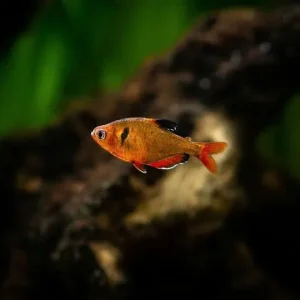
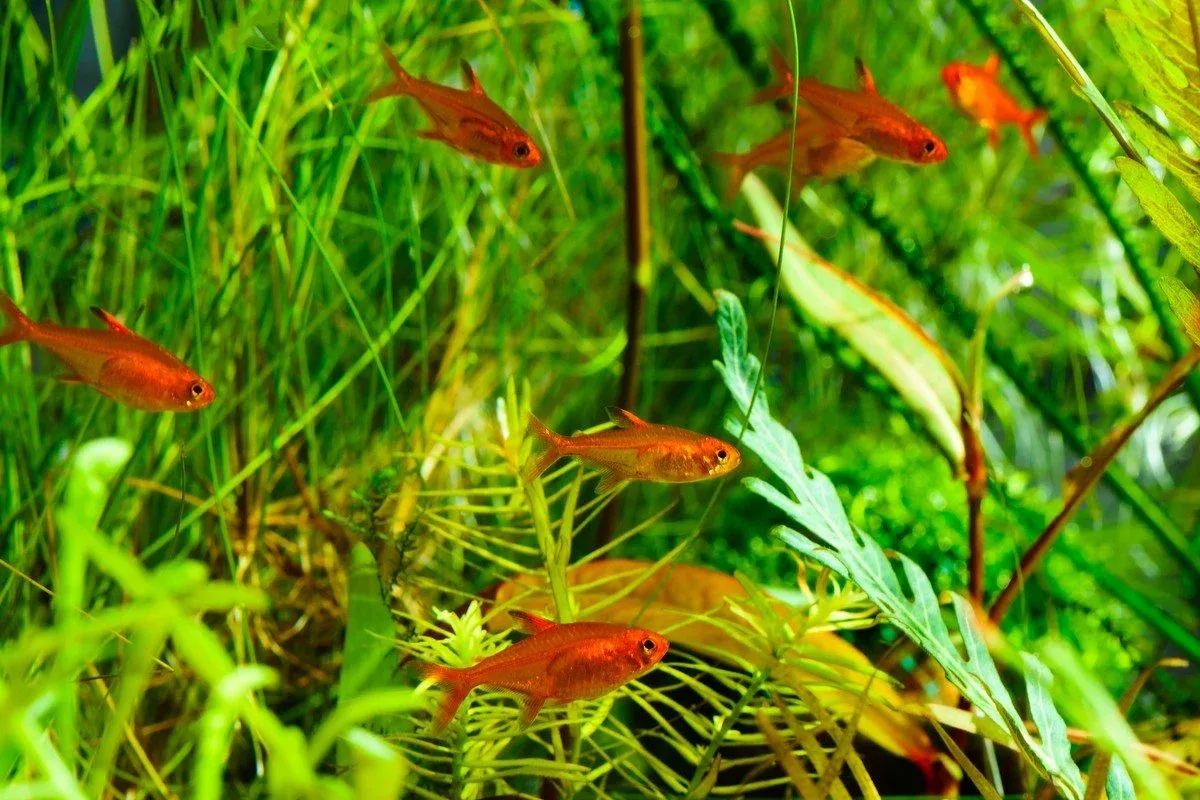
The Ember Tetra (scientific name: Hyphessobrycon amandae) stands as a vibrant jewel in any aquarium, celebrated for its fiery orange-red coloration and lively demeanor. Originating from the clear, slow-moving waters of South America, the Ember Tetra available in the aquarium trade are predominantly captive-bred, ensuring consistent coloration and patterns that enhance the beauty of any aquatic environment.
Characterized by their small size and intense orange-red hue, Ember Tetras typically reach lengths of around 0.8 inches, making them an ideal choice for small aquariums. When creating a habitat for these tetras, providing ample hiding spots among aquarium plants and aquarium driftwood is recommended, as they appreciate a densely planted environment mimicking their natural habitat.
In the wild, Ember Tetras inhabit shaded areas of streams and tributaries with slow currents. Recreating these conditions in the aquarium with subdued lighting and gentle water flow contributes to their overall well-being. Additionally, ensure the tank has a tight-fitting lid to prevent potential jumps, as these fish may occasionally explore the surface.
Despite their peaceful nature, Ember Tetras may display schooling behavior, particularly when kept in groups of six or more. Therefore, it’s advisable to house them with similarly-sized and peaceful tankmates to encourage natural behaviors and minimize stress.
At Splashy Fish tropical fish store, our Ember Tetra for sale and other Tetras for sale are tank-breed, grown, and sold with love and care. Visit our fish store online or aquarium Virginia for more high-quality freshwater fish. We have a lot more fish available for sale such as betta fish for sale, aquatic plants for sale, Neocaridina shrimp for sale, Mystery snail, Nerite snails, and other aquarium supplies.
What You Can Expect From This Fish
Vibrant orange-red coloration with a shimmering effect
Compact size suitable for small aquariums
Schooling behavior, especially in groups
RECOMMENDED TANK PARAMETERS
Temperature: 73° – 82°F (23° – 28°C)
pH: 5.5 – 7.0
Hardness: 1 – 10 dGH
Minimum tank size: 10 gallons
CARE GUIDELINES
Diet: Omnivorous; accepts a variety of foods including flakes, pellets, and live options. Offer a varied diet to ensure proper nutrition and vibrant coloration.
Social behavior: Peaceful and social; best kept in groups of six or more.
Origin: South America; predominantly captive-bred
Average adult size: Up to 0.8 inches
Average purchase size: 0.5 – 0.75 inches
Visit here to learn more about How to Care for Tetra Fish.
Ember Tetra Fish FAQs
Are Ember Tetra hardy?
Ember tetras are considered hardy and adaptable, making them suitable for beginner and experienced aquarists alike. They thrive in well-maintained aquariums with stable water conditions.
How many ember tetras in 10 gallons?
In a 10-gallon tank, you can keep a small school of ember tetras. A recommended guideline is around 8 to 10 ember tetras, provided the tank is well-filtered and adequately maintained.
Will Ember Tetra eat baby freshwater shrimp?
Ember tetras are generally peaceful and small, making them unlikely to prey on adult shrimp. However, they may eat baby shrimp if not enough hiding places or vegetation is available to protect them.
The Ultimate Ember Tetra Care Guide: Advanced Tips and Techniques for Keeping Your Fish Happy and Healthy
Welcome to the ultimate Ember Tetra care guide! In this comprehensive article, we’ll explore advanced tips and techniques to ensure the happiness and health of your fish. Whether you’re a beginner or an experienced aquarist, this guide is packed with valuable information to help you create the perfect habitat for your Ember Tetras. Ember Tetras are small, vibrant fish native to South America. Known for their beautiful red and orange hues, these delightful creatures are a popular choice for aquarium enthusiasts. However, providing them with the optimal care can be a challenging task. In this guide, we’ll cover all aspects of Ember Tetra care, from tank setup and water parameters to feeding habits and disease prevention. You’ll learn about their natural habitat, preferred tank mates, and how to create a stimulating environment to keep them stress-free and thriving. With our expert advice and practical tips, you’ll be equipped with the knowledge and tools to maintain a healthy and colorful school of Ember Tetras. Get ready to dive into the world of fishkeeping and witness the joy and beauty these little gems can bring to your aquarium. Let’s get started!
Natural Habitat of Ember Tetra Fish
Where Do Ember Tetras Come From?
Native to South America, Ember Tetras (Hyphessobrycon amandae) are found in the slow-moving waters of the Araguaia River Basin in Brazil. These regions feature warm, shallow waters with dense vegetation and high levels of tannins from decaying organic material. The unique ecosystem provides soft, acidic water ideal for these tiny freshwater fish.
Environmental Features of Their Habitat:
Tannins: Decaying leaves and wood release tannins, turning the water tea-colored and slightly acidic.
Temperature: The water remains consistently warm, often ranging between 73°F–82°F (23°C–28°C).
Plant Cover: Submerged aquatic plants provide shelter and food while reducing light penetration.
Substrate: Fine sand or mud forms the riverbed, creating a soft, safe environment for small fish.
Why Mimic Their Habitat?
Creating a similar environment in your aquarium helps reduce stress, encourage natural behaviors, and promote vibrant coloration in your Ember Tetras.
Pro Tip
Consider adding botanicals like almond leaves, guava leaves, or peat moss to your aquarium. Not only do these replicate the tannin-rich waters of the Araguaia Basin, but they also provide antimicrobial benefits to your fish.
Characteristics and Behavior of Ember Tetra Fish
Ember Tetras are small, energetic tropical fish that captivate aquarists with their beauty and charm. Their behavior and appearance make them a joy to observe in a well-maintained aquarium.
Appearance
Size: Adult Ember Tetras measure around 0.8–1 inch (2–2.5 cm) in length.
Coloration: Their bodies are fiery orange to red, with males typically exhibiting brighter hues. Proper lighting and a high-quality diet can significantly enhance their color.
Shape: They have a slender, torpedo-shaped body, ideal for their swift, graceful swimming style.
Behavior
Schooling Nature: Ember Tetras are schooling fish and feel most secure in groups of 8–12 or more. Watching them move in unison is both calming and fascinating.
Peaceful Personality: Their non-aggressive temperament makes them ideal for community tanks.
Shy but Curious: Although they may appear timid at first, they’ll become more confident when surrounded by other Ember Tetras and plenty of hiding spots.
Create A Perfect Home Aquarium for Ember Tetra Fish
Tank Setup
Choosing the Right Tank Size
While Ember Tetras are small, they thrive in larger tanks where they can school freely.
Minimum Tank Size: 10 gallons for a small group (8–10 fish).
Recommended Tank Size: 20–30 gallons or more to accommodate larger schools and tank mates.
Equipment Essentials
Filter: A sponge filter or gentle hang-on-back filter ensures clean water without creating strong currents.
Lighting: Moderate aquarium lighting is ideal to mimic their natural shaded environment while supporting plant growth.
Heater: Maintain consistent temperatures between 73°F and 82°F with a reliable heater.
Air Pump: Optional but beneficial for maintaining oxygen levels, especially in densely planted tanks.
Substrate and Decorations
Use fine sand or dark gravel to replicate their natural riverbed.
Add driftwood, rock formations, and leaf litter to provide hiding spots and create a visually appealing layout.
Water Requirements
Ideal Water Parameters
Temperature: 73°F–82°F (23°C–28°C).
pH: Slightly acidic to neutral, ranging from 5.5–7.0.
Hardness: Soft to moderately hard water, 1–10 dGH.
Ammonia/Nitrite: 0 ppm (toxic to fish).
Nitrate: <20 ppm.
Maintaining Stable Water Quality
Regular water testing and partial water changes (20–30% weekly) are critical for keeping water parameters stable. Invest in a reliable water testing kit to monitor ammonia, nitrite, nitrate, and pH levels.
Tannin-Rich Water
For advanced aquarists, creating a blackwater aquarium can replicate the natural conditions of the Araguaia Basin. Tannins not only soften the water but also promote health and vibrant coloration in your Ember Tetras.
Feeding and Diet Recommendations
What Do Ember Tetras Eat?
Ember Tetras are omnivorous, meaning they eat both plant-based and protein-rich foods. A varied diet ensures proper nutrition, vibrant colors, and robust health.
Recommended Foods:
Staple Diet: High-quality micro pellets or flakes designed for small tropical fish.
Protein-Rich Foods: Live or frozen food such as brine shrimp, daphnia, mosquito larvae, and bloodworms.
Plant-Based Foods: Spirulina flakes or blanched vegetables like zucchini and spinach.
Feeding Schedule:
Feed your Ember Tetras 2–3 times daily, offering only as much as they can consume in 2–3 minutes. Avoid overfeeding, as it can lead to poor water quality and health issues.
Ember Tetra Fish Breeding and Reproduction
Steps for Successful Breeding
Conditioning Adults: Feed a high-protein diet of live or frozen foods for 1–2 weeks.
Breeding Tank Setup: Use a small 5–10 gallon tank with soft, acidic water (pH 5.5–6.0), a temperature of 80°F (27°C), and fine-leaved plants like Java Moss for egg-laying.
Spawning Behavior: Males will display brighter colors and court females, who scatter eggs over plants or the substrate.
Fry Care
Eggs hatch in 24–36 hours, and fry become free-swimming within 3–5 days. Feed them infusoria, vinegar eels, or finely crushed fry food until they grow large enough to eat micro pellets.
Tank Mates and Compatibility for Ember Tetra Fish
Ember Tetras are peaceful and social fish, making them ideal companions in community tanks. Choosing the right tank mates not only ensures a harmonious environment but also enhances the aesthetic appeal of your aquarium.
Key Considerations for Selecting Tank Mates
Size and Temperament: Choose species that are small and peaceful to avoid stress or predation.
Water Parameter Compatibility: Tank mates should thrive in soft, slightly acidic water similar to the conditions preferred by Ember Tetras.
Swimming Zones: Select fish that occupy different areas of the tank (e.g., bottom-dwellers, mid-level swimmers, or surface dwellers) to reduce competition.
Best Tank Mates for Ember Tetras
Other Tetras
Neon Tetras: With their iridescent blue and red stripes, Neon Tetras complements Ember Tetras beautifully.
Cardinal Tetras: Larger and even more vibrant than Neons, these Tetras share similar water requirements.
Rummy Nose Tetras: Known for their striking red heads and cohesive schooling behavior.
Small Rasboras
Chili Rasboras (Boraras brigittae): Their similar size and vibrant red coloration make them perfect companions.
Harlequin Rasboras: Peaceful and visually striking, this Rasbora add contrast to the tank.
Peaceful Bottom-Dwellers
Corydoras Catfish: Small Cory species, like Panda Corys or Pygmy Corys, clean the aquarium substrate while getting along with Ember Tetras.
Kuhli Loaches: These eel-like fish are shy, gentle, and occupy the bottom layers.
Shrimp and Snails
Cherry Shrimp: Bright red shrimp that help with algae control and are unlikely to be bothered by Ember Tetras.
Amano Shrimp: Larger freshwater shrimp that excel at cleaning up algae and debris.
Nerite Snails: Great for algae control, and their beautiful patterns add a decorative element.
Dwarf Fish Species
Honey Gourami: A small, peaceful species that won’t outcompete Ember Tetras.
Sparkling Gourami: Tiny, shimmering Gouramis that add a unique dimension to the tank.
Tank Mates to Avoid
Large or Aggressive Fish: Species like Oscars, Cichlids, or Bettas may view Ember Tetras as food or harass them.
Fin-Nipping Fish: Avoid species like Tiger Barbs that may stress Ember Tetras with their aggressive tendencies.
Fast Swimmers: Larger Danios or aggressive Rasboras may outcompete Ember Tetras for food.
Pro Tips for Successful Tank Mate Integration
Introduce tank mates in groups rather than individually to reduce stress and territorial behavior.
Monitor interactions during the first few weeks to ensure compatibility.
Provide ample hiding spots using decorations and plants to help shy fish feel secure.
Live Aquatic Plants for Ember Tetra Fish
Live plants are essential for an Ember Tetra aquarium, offering numerous benefits such as water quality improvement, hiding places, and a natural aesthetic.
Benefits of Live Plants for Ember Tetras
Natural Shelter: Dense vegetation reduces stress by providing places to hide and feel secure.
Water Quality Improvement: Aquarium plants absorb nitrates, release oxygen, and help stabilize water parameters.
Breeding Grounds: Fine-leaved plants like Java Moss are ideal for egg-laying.
Aesthetic Appeal: Live plants create a lush, vibrant underwater world that mimics their natural habitat.
Best Live Plants for Ember Tetras
Easy-to-Care-For Plants
Java Moss: A versatile plant that thrives in all conditions and provides excellent cover for fry.
Anubias Nana: Low-light-tolerant and perfect for attaching to aquarium driftwood or rocks.
Java Fern: Hardy and slow-growing, this plant adds texture to the aquarium.
Fast-Growing Plants
Hornwort: A rooted or floating plant that grows quickly and offers dense cover.
Water Wisteria: Bright green and bushy, it absorbs excess nutrients and prevents algae growth.
Duckweed: A floating plant that provides shade and mimics the natural rivers of South America.
High-Aesthetic Value Plants
Amazon Sword: A centerpiece plant with large, broad leaves that give a jungle-like feel.
Cryptocoryne Species: These plants come in a variety of colors and sizes, perfect for mid-ground placement.
Buces (Bucephalandra): Known for their unique shapes and slow growth, they create a striking effect in aquascapes.
Advanced Planting Techniques
Blackwater Aquarium Planting
Since Ember Tetras thrive in tannin-rich blackwater environments, focus on plants that tolerate low-light and soft, acidic conditions. Floating plants like Red Root Floater and Salvinia Minima work well, while rooted plants like Cryptocorynes adapt easily to these setups.
CO₂ Injection for Plant Growth
To create a lush, aquascaped tank, consider using a CO₂ injection system. This encourages faster growth and richer colors in demanding plants like Rotala rotundifolia or Ludwigia repens.
Substrate Choices
Use nutrient-rich substrates like UNS Controsoil or Oase Scaperline Soil for rooted plants. These substrates also help stabilize pH and water hardness, benefitting both plants and fish.
Maintenance Tips for Planted Tanks
Prune Regularly: Trim fast-growing plants like Hornwort or Water Wisteria to prevent them from overshadowing others.
Fertilize Sparingly: Use liquid fertilizers designed for planted aquariums, but avoid over-fertilization to prevent algae blooms.
Balance Lighting: Provide 6–8 hours of moderate lighting daily to support plant growth without promoting algae.
Pro Tips for Combining Plants with Ember Tetras
Plant dense thickets in the background while leaving open swimming spaces in the foreground to accommodate Ember Tetras' schooling behavior.
Use floating plants strategically to diffuse light, reducing stress for Ember Tetras while enhancing the visual effect of your aquascape.
Mix fast and slow-growing plants to maintain a dynamic yet balanced ecosystem.
Common Diseases and Health Issues of Ember Tetra Fish
Common Health Problems
Ich (White Spot Disease): Caused by a parasite; symptoms include white spots and rubbing against objects. Treat with heat and medications.
Fin Rot: Often a result of poor water conditions; treat with antibiotics and improve water quality.
Swim Bladder Issues: Caused by overfeeding; fast the fish for 1–2 days and offer blanched peas to relieve bloating.
Prevention Tips
Quarantine new fish before introducing them to your main tank.
Perform regular water changes and monitor water parameters.
Feed a balanced diet and avoid overfeeding.
Tips for Maintaining A Healthy and Happy Ember Tetra Fish Tank
Maintain stable water conditions by testing frequently and performing water changes.
Keep them in schools of 8–12 or more for a sense of security.
Use live plants and driftwood to mimic their natural habitat.
Monitor their behavior daily to catch any health issues early.
Avoid sudden changes in lighting or water conditions, which can stress your fish.
Advanced Care Techniques for Ember Tetra Fish Enthusiasts
For experienced aquarists, here are some advanced tips to enhance Ember Tetra care:
Blackwater Aquariums
Replicate their natural tannin-rich environment with botanicals like almond leaves and driftwood. This setup promotes vibrant coloration and reduces stress.
Selective Breeding
Focus on breeding the brightest, healthiest Ember Tetras to enhance their lineage and color intensity.
Automation
Invest in programmable lighting, automated feeders, and CO₂ systems to create a consistent, low-maintenance environment.
Conclusion
Ember Tetras are a delight to keep, with their vibrant colors, peaceful nature, and fascinating behaviors. By replicating their natural habitat, providing a balanced diet, and maintaining stable water conditions, you can enjoy a thriving school of these stunning fish.
If you're ready to start your journey, check out Ember Tetras for sale at trusted online retailers or your local fish store. When you buy Ember Tetras online, choose reputable sellers to ensure you receive healthy, high-quality fish.
With the right care, Ember Tetras will bring endless joy and beauty to your aquarium for years to come. Have a splashy day!