
Description
Plant Profile
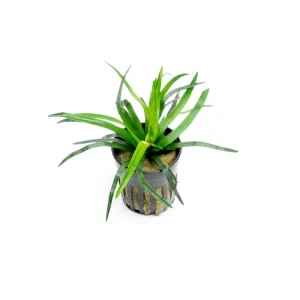
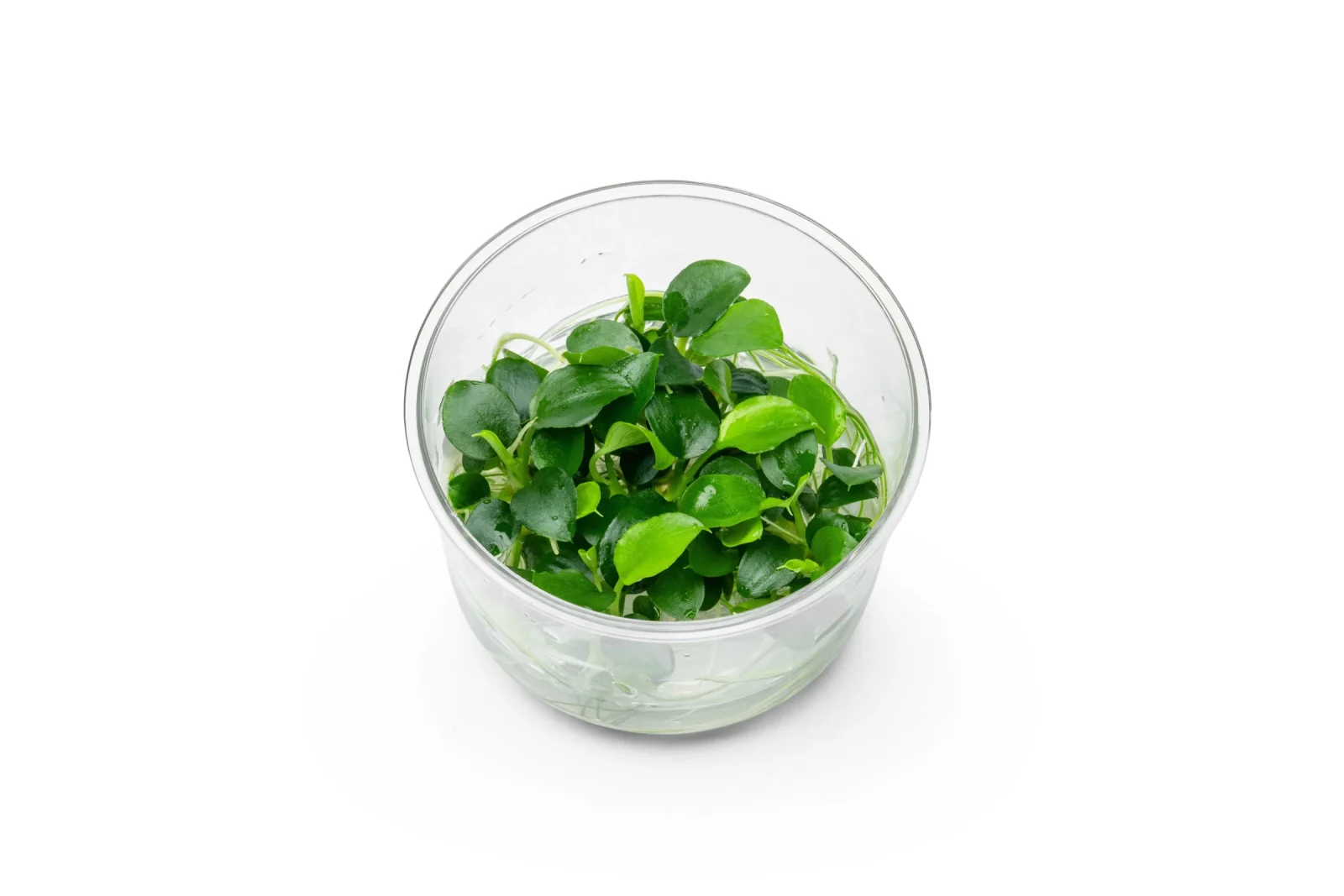
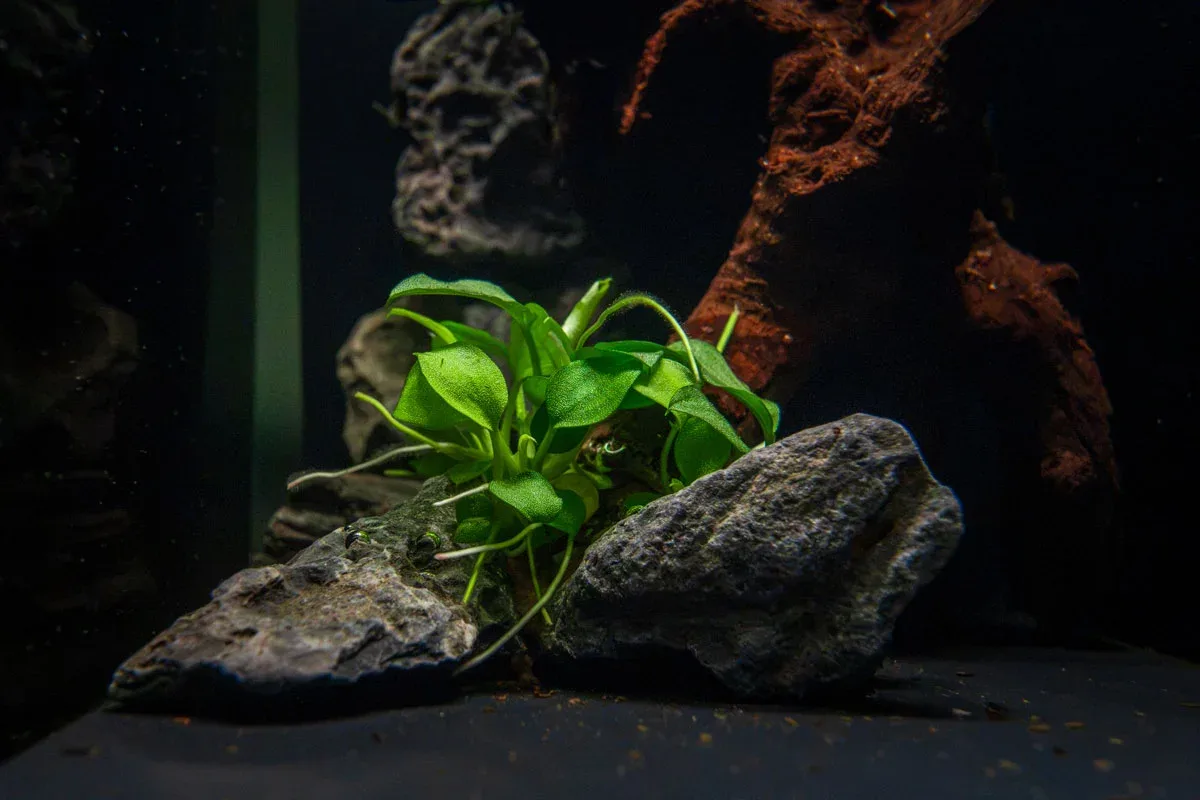
Schismatoglottis Prietoi is a compact aquatic aroid from the Philippines, known for its bright green, elliptic leaves and dense, low-growing habit. Often compared to miniature Anubias, its soft, wavy-edged leaves give it a distinctive look, while its tendency to spread by runners makes it especially useful for filling in the foreground and midground.
Unlike many Anubias species, Schismatoglottis Prietoi is best planted directly into the substrate rather than attached to hardscape. It is an undemanding plant that can thrive under low lighting without CO2, although consistent nutrients and moderate lighting can encourage faster, fuller growth.
Key Features & Benefits
Compact, bright green leaves with gently wavy edges create a lush, textured appearance
An easy, low-light plant that is well suited to low-tech aquariums
Naturally spreads through runners, allowing it to form dense groups over time
Faster growing than many similar Anubias varieties once established
Care & Planting Instructions
Thoroughly wash away or soak off the nutrient gel from the roots with your fingers before dividing and planting.
Gently separate the plant into smaller portions if needed, taking care to preserve the roots and growing points.
Plant Schismatoglottis Prietoi directly into the substrate, making sure the roots are buried. While Schismatoglottis Prietoi can grow attached to porous materials such as Lava Rock, it does not naturally adhere to hardscape like epiphytes. Planting it in substrate is the preferred method.
Provide low to moderate lighting and stable water parameters while the plant establishes. CO2 is not required, but supplementation can encourage faster and more vigorous growth.
Provide a consistent supply of nutrients through the water column and substrate to support healthy root development and new growth.
Avoid frequently disturbing or moving the plant after planting. Schismatoglottis Prietoi can take some time to establish before producing vigorous new growth.
Remove older, damaged, or melting leaves at the base as needed to maintain a healthy appearance.
Allow established plants to spread naturally through runners. Once daughter plants have developed their own roots and several leaves, separate them from the runner and replant them individually.
Quick Facts
Listed information should be treated as general guidelines only. Team Buce Plant encourages you to do thorough research to ensure healthy growth!
Attribute
Specification
Scientific Name
Schismatoglottis prietoi
Common Name(s)
Philippine Anubias
Family
Araceae
Plant Type / Taxonomy
Rhizomatous aquatic aroid
Care Difficulty
Easy
Light Requirement
Low to Moderate
CO2 Requirement
Not required
Placement / Usage
Foreground / Midground
Height / Size
1- 3″
Growth Rate
Slow to Moderate
Water Parameters
pH: 6.0–8.0; Temperature: 68–82°F
Propagation Method
Runners
Origin
Philippines
Frequently Asked Questions
1. Does Schismatoglottis prietoi have a rhizome?
Yes, Prietoi is a rhizomatous plant in the Araceae family. Unlike many rhizome plants commonly used in aquascaping, it is typically planted directly into the substrate with its roots buried. The rhizome should remain at or just above the substrate rather than being deeply buried.
2. What makes Schismatoglottis prietoi different from Anubias?
Although Schismatoglottis Prietoi has a similar appearance and belongs to the same family as Anubias, it has a different growth habit. Its smaller leaves and tendency to spread through side growth give it a more compact, carpeting appearance, making it useful where a smaller-scale alternative to Anubias is desired.
3. Would Schismatoglottis Prietoi be suitable for a shrimp tank?
Yes, its dense growth provides additional cover and grazing surfaces that can be useful in shrimp aquariums. Its relatively undemanding nature also makes it a good fit for low-tech shrimp setups.